

Why buy from us?
Lorem Ipsum is simply dummy text of the printing and typesetting industry.
Ask a Question About This Product
- Availability: 99
- Brand: Vents
- Model: 9456
- Weight: 50.00kg
- UPC: 9456
- JAN: 1583


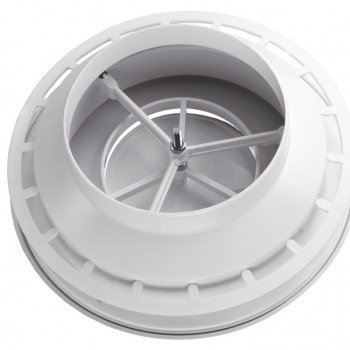
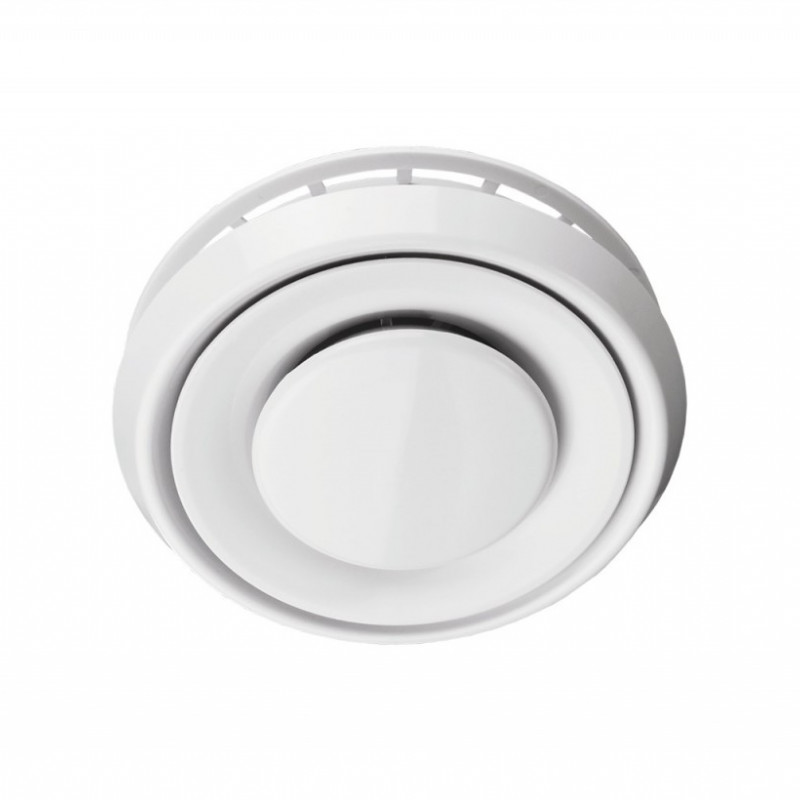
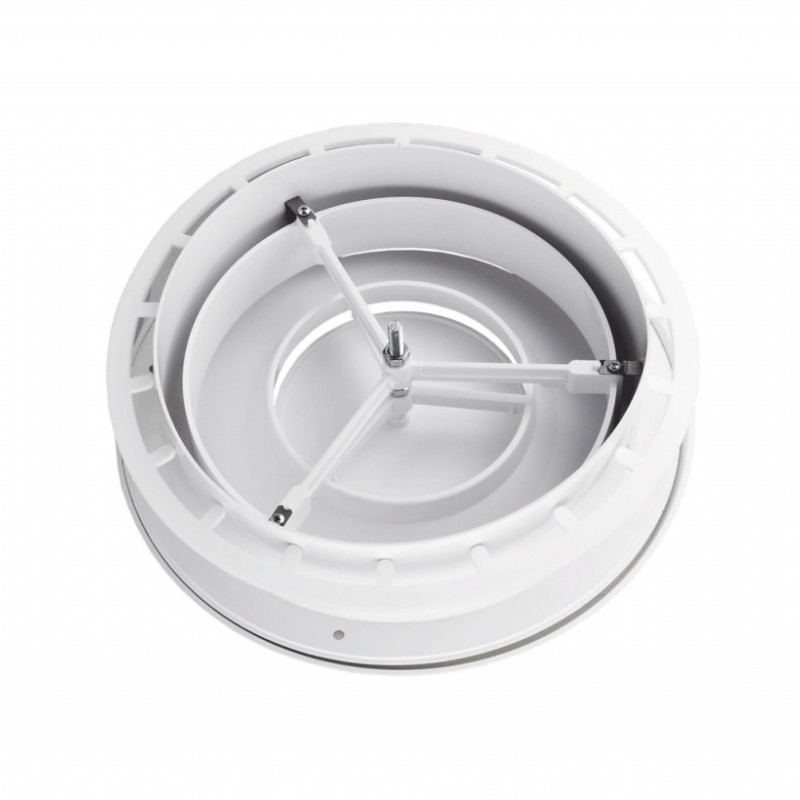
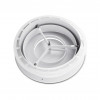
Anemostat Vents A 150 VRF is used to distribute air directly into the room. Suitable for both supply and exhaust ventilation systems. Installed in a suspended (suspended) ceiling, sometimes in a wall. The convenience of using the anemostat is due to the ability to adjust the air flow that passes through the air distributor. The air flow can be adjusted by rotating the inside of the poppet valve, thus changing the 'live cross-section' and air flow.
Material
The poppet valve is made of ABS plastic or polystyrene. The material is durable, resistant to sunlight, and impact resistant.
How to install
The anemostat is connected with a branch pipe to an air duct of the appropriate diameter. Installation to the ceiling is carried out using spacer plates and a mounting flange located on the inside. Spacer legs hold the anemostat in the suspended ceiling; the flange allows you to tightly press the anemostat body to the material of the suspended ceiling.
Dimensions of anemostat A 150 VRF

| D | D1 | D2 | H | H1 | |
| Size, mm | 150 | 128 | 200 | 58 | 20 |
Air flow and pressure loss

The diagram shows the pressure loss on the anemostat at a certain gap S (mm) between the central part of the anemostat and the seat valve When changing the gap by rotating the inside of the valve, the live cross-section of the air distributor changes, as shown in the figure below.

The oblique lines in the diagram indicate this valueSin mm. For example, with a gap of S=4 mm and an air flow of 10 cubic meters. per hour the pressure loss will be 3 Pa. Another example: with a gap of 22 mm and an air flow of 100 cubic meters. per hour the pressure loss will be 7 Pa.